Archives
- 2026-10
- 2026-09
- 2026-08
- 2026-07
- 2026-06
- 2026-05
- 2026-04
- 2026-03
- 2026-02
- 2026-01
- 2025-12
- 2025-11
- 2025-10
- 2025-09
- 2025-03
- 2025-02
- 2025-01
- 2024-12
- 2024-11
- 2024-10
- 2024-09
- 2024-08
- 2024-07
- 2024-06
- 2024-05
- 2024-04
- 2024-03
- 2024-02
- 2024-01
- 2023-12
- 2023-11
- 2023-10
- 2023-09
- 2023-08
- 2023-06
- 2023-05
- 2023-04
- 2023-03
- 2023-02
- 2023-01
- 2022-12
- 2022-11
- 2022-10
- 2022-09
- 2022-08
- 2022-07
- 2022-06
- 2022-05
- 2022-04
- 2022-03
- 2022-02
- 2022-01
-
Estrogen exerts its genomic action via estrogen
2023-04-17
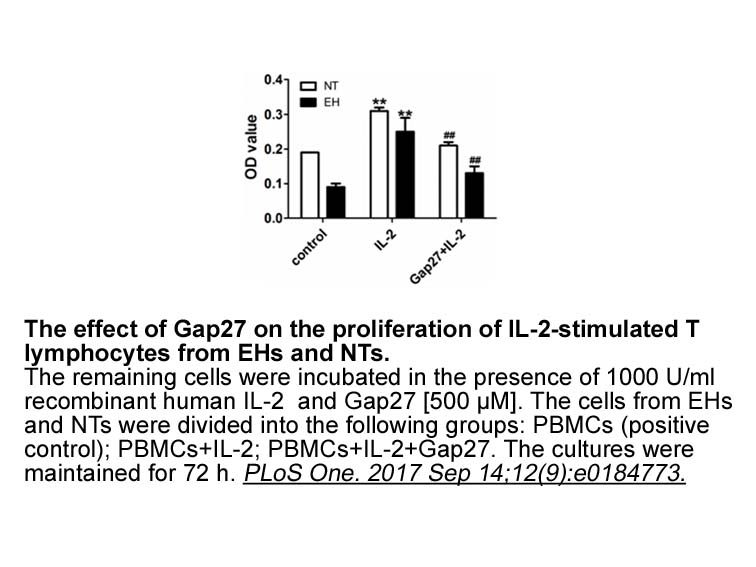
Estrogen exerts its genomic action via sapanisertib nuclear receptor: ERα and ERβ. The distribution of ERα and/or ERβ positive neurons in CNS of different species has been mapped extensively by various methods [41], [42], [43], [44], [45], [46], [47], [48], [49], [50], although there are some diffe
-
In this study we showed that TRIM promotes ASK
2023-04-17

In this study, we showed that TRIM48 promotes ASK1 activation through ubiquitination-dependent degradation of a negative regulator of ASK1 activation, protein arginine methyltransferase 1 (PRMT1). Knocking down TRIM48 suppressed oxidative-stress-induced cell death mediated by ASK1, and the additiona
-
Autophagy and apoptosis have a very complex relationship
2023-04-17
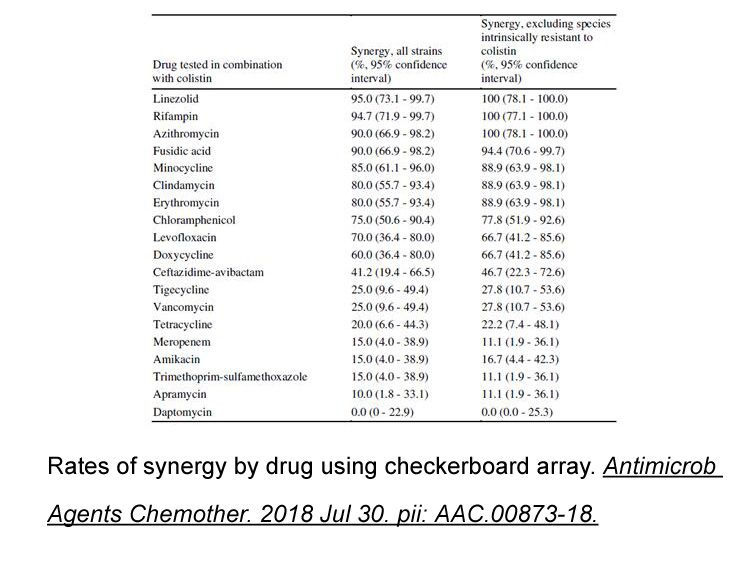
Autophagy and apoptosis have a very complex relationship, and the precise mechanism remains to be determined. At present, a large amount of research has confirmed that autophagy can protect the cell from apoptosis in special conditions such as nutrient deficiency or growth factors deprivation; the e
-
TLRs play a key role in
2023-04-17
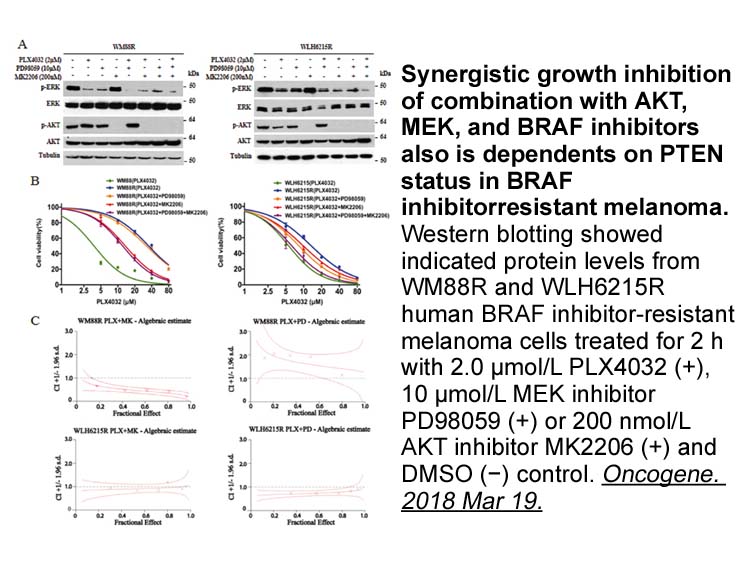
TLRs play a key role in pathogen recognition and early response. In our study, we showed an increase of TLR2 mRNA and protein expression after BMECs were stimulated by S. aureus, as seen for BMECs in a previous study [25]. Although most studies describe TLR4 as a primary receptor for Gram-negative b
-
Previous studies have indicated that maximal IL protein
2023-04-17
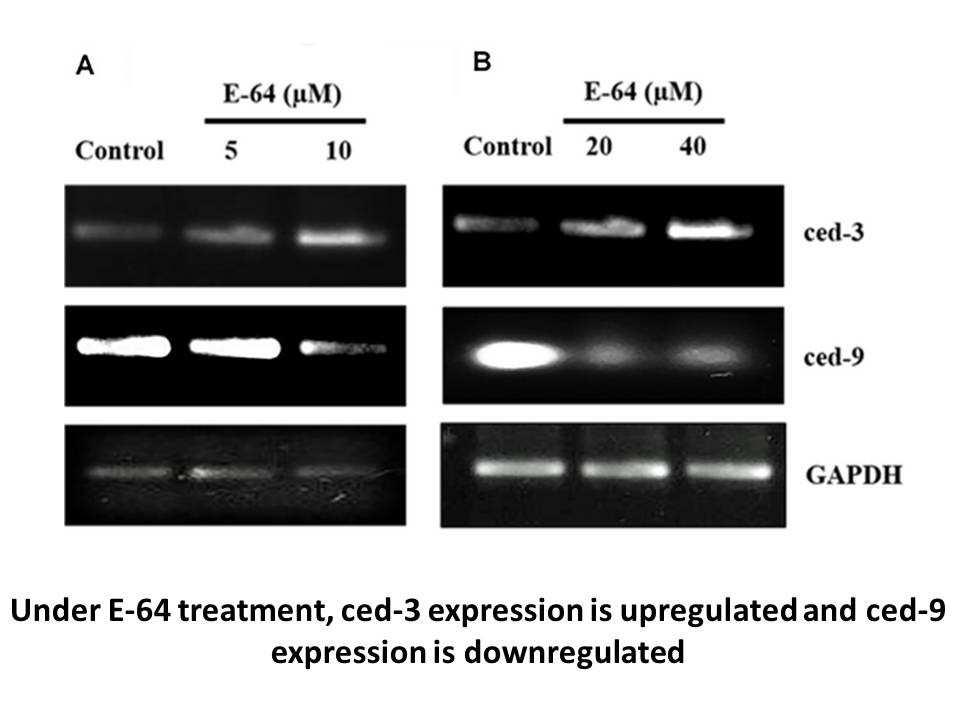
Previous studies have indicated that maximal IL-8 protein Apicidin requires NF-κB activation as well as the activation of the MAP kinases ERK, JNK, and p38 (Li et al., 2002). In our study, NF-κB inhibitor can reduce the up-regulated IL-8 production by PRRSV infection, indicating that PRRSV-induced
-
Another interesting aspect of neutralizing AP is the inhibit
2023-04-17
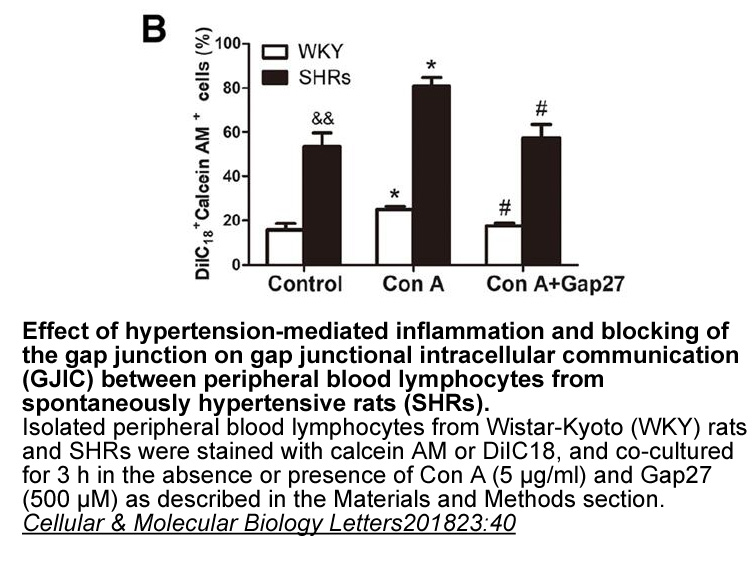
Another interesting aspect of neutralizing AP-1 is the inhibition of interactions between AP-1 and Smad proteins, which synergize to activate the TGF-β1-responsive genes involved in hypertrophic growth of the heart muscle and in the development of cardiac fibrosis. Through preventing AP-1 activation
-
Bamboo shoots with their high
2023-04-17
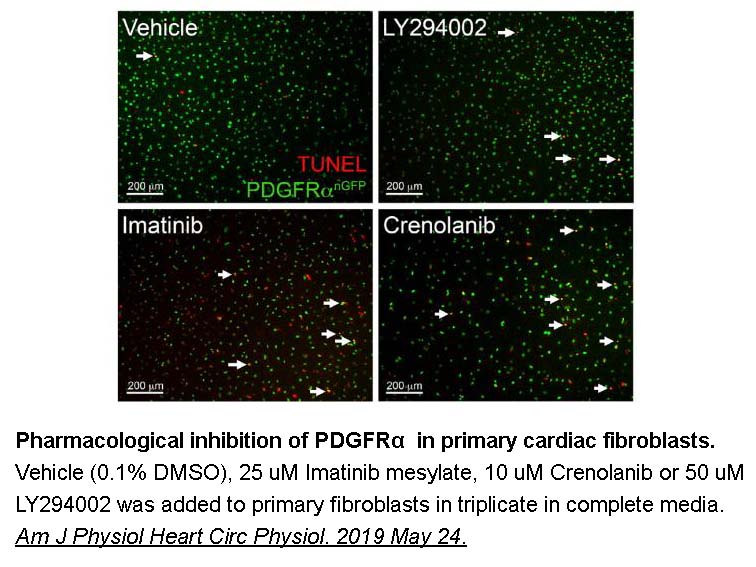
Bamboo shoots, with their high nutritive and therapeutic value, are now used for food fortification (Nirmala & Bisht, 2017). Several value-added products such as nuggets, crackers, chutney, snacks, cookies, cakes, chappaties, and buns have been prepared from bamboo shoots (Table 3). Dietary fiber fr
-
For the derivatives a c another likely explanation
2023-04-17
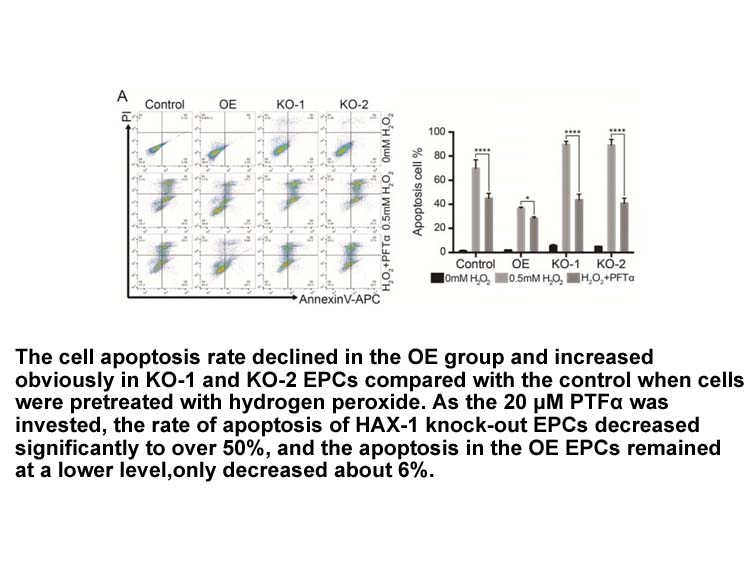
For the derivatives 3a–3c, another likely explanation for antifungal properties is that polymers bearing primary amine groups and secondary phosphoryl groups formed, enhancing complexation with the phosphate groups, and the complexes are amphiphilic (Palermo, Lee, Ramamoorthy, & Kuroda, 2011). The a
-
About three weeks later the patient visited our outpatient
2023-04-17
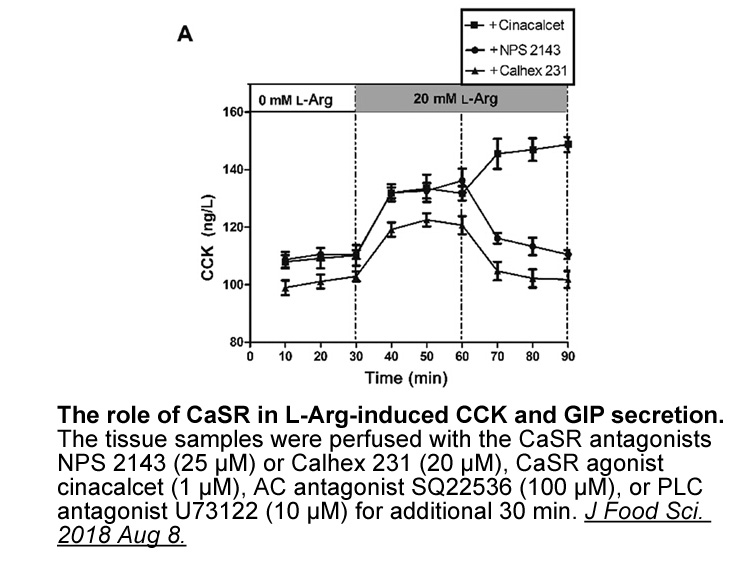
About three weeks later, the patient visited our outpatient clinic complaining of gingival bleeding and pus discharge. In clinical examination bone exposure was observed in both mandibular posterior regions and bone necrosis had developed surrounding the #35=37 and 46, 47 implants installed 6 years
-
Deferoxamine mg It was reported that oral
2023-04-14
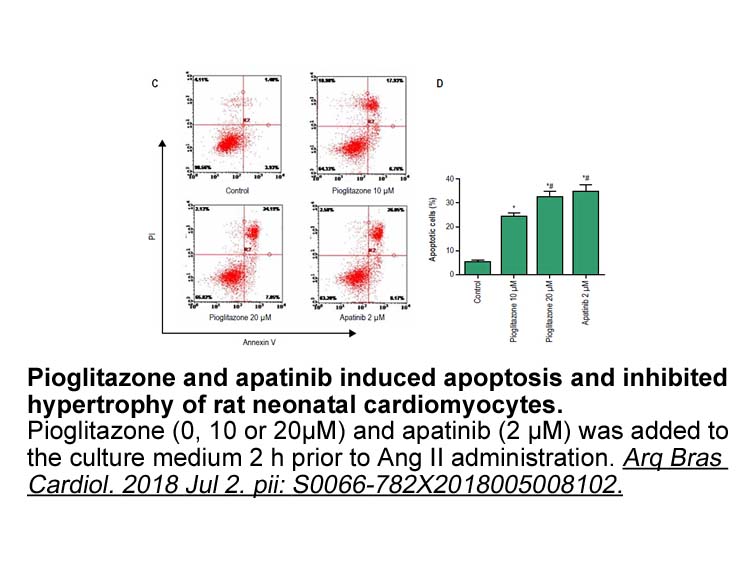
It was reported that oral administration of CSZ to C57BL/6J mice significantly improved spatial learning and memory, and prevented Aβ-induced immunoresponse in Aβ25-35-injected mice. However, post-treatment with CSZ after Aβ25-35 administration, when Aβ was already accumulated, did not prevent Aβ-in
-
br Materials and method br
2023-04-14
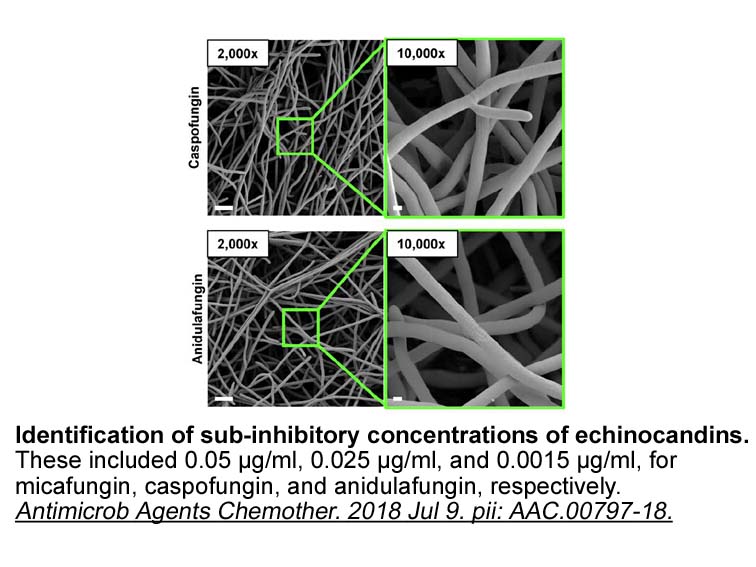
Materials and method Result and discussion Conclusion Acknowledgments This work is partly supported by the University Research Committee (URC) of the Senate of The Federal University of Technology, Akure. The authors thanked IFS for the funds (F/4449 1F and F/4449-2F) used to purchase th
-
Ketogenic diets are more effective
2023-04-14
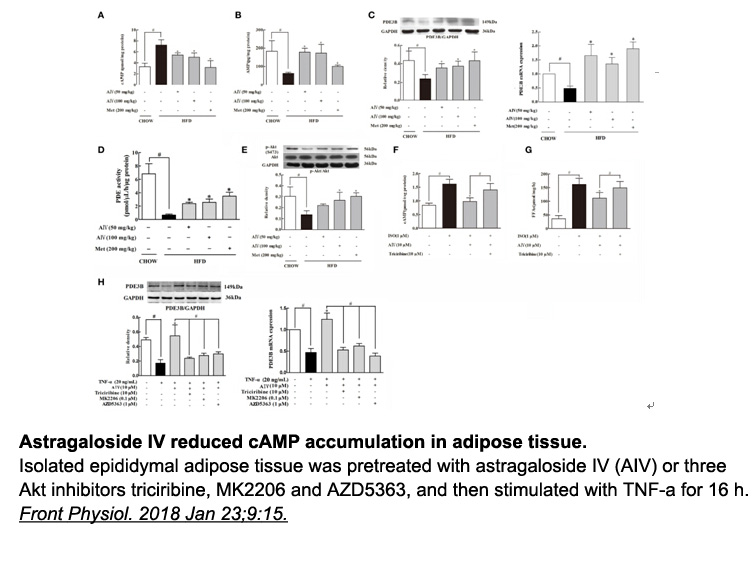
Ketogenic diets are more effective in promoting weight loss than conventional caloric restriction [26] however, their effect on hepatic glucose and lipid metabolism remains inconclusive. Blood glucose homeostasis is tightly regulated. In both mice and humans consuming KD, baseline blood glucose decr
-
br Aberrantly enhanced adenosine signaling in
2023-04-14
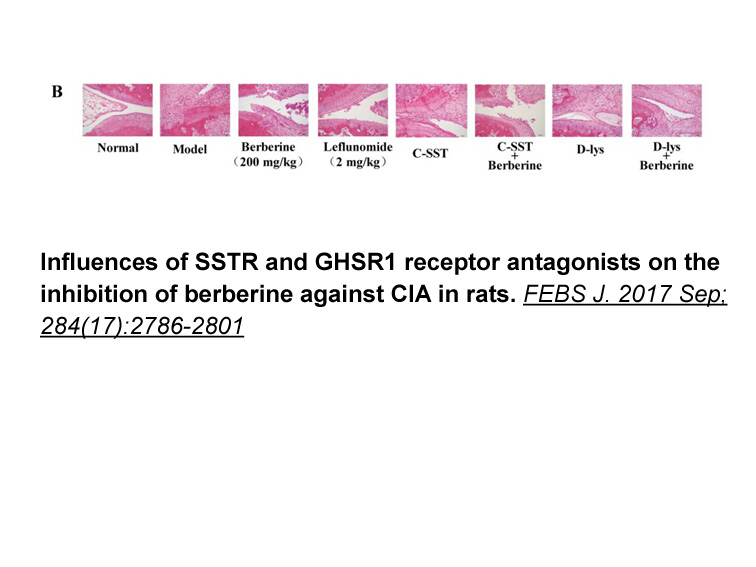
Aberrantly enhanced adenosine signaling in retina of oxygen-induced retinopathy Current therapeutic development of ROP focuses on directly targeting VEGF and HIF-1α signaling pathway (Cavallaro et al., 2014, Penn et al., 2008, Mintz-Hittner et al., 2011, Hartnett and Penn, 2012). However, cellula
-
Ristocetin A sulfate receptor br Functional consequences of
2023-04-14
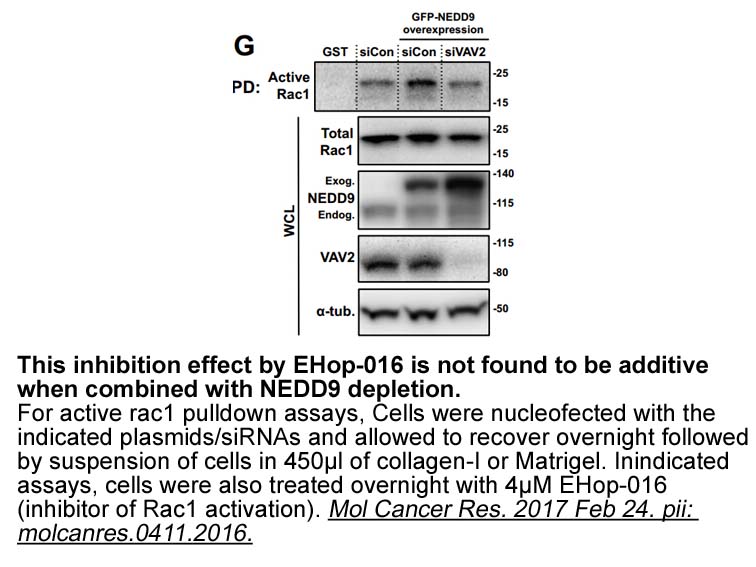
Functional consequences of ADK regulation on neuronal excitability Adenosine modulates neuronal excitability via activation of the high affinity A1 or A2A, low-affinity A2B, or low abundance A3 adenosine receptors that feed into a multitude of different neuronal and astrocytic pathways (Blum et a
-
br Results and discussion The morphology
2023-04-14

Results and discussion The morphology and structure of vitamin d3 sources samples were observed using an SEM, as shown in Fig. 1. The length and thickness of the actin filaments were regulated with ABPs to mimic the various actins observed in cells. We prepared three types of F-actin with or wit
8164 records 346/545 page Previous Next First page 上5页 346347348349350 下5页 Last page