Archives
- 2026-10
- 2026-09
- 2026-08
- 2026-07
- 2026-06
- 2026-05
- 2026-04
- 2026-03
- 2026-02
- 2026-01
- 2025-12
- 2025-11
- 2025-10
- 2025-09
- 2025-03
- 2025-02
- 2025-01
- 2024-12
- 2024-11
- 2024-10
- 2024-09
- 2024-08
- 2024-07
- 2024-06
- 2024-05
- 2024-04
- 2024-03
- 2024-02
- 2024-01
- 2023-12
- 2023-11
- 2023-10
- 2023-09
- 2023-08
- 2023-06
- 2023-05
- 2023-04
- 2023-03
- 2023-02
- 2023-01
- 2022-12
- 2022-11
- 2022-10
- 2022-09
- 2022-08
- 2022-07
- 2022-06
- 2022-05
- 2022-04
- 2022-03
- 2022-02
- 2022-01
-
Beside estrogen several classes of compounds have
2024-04-07

Beside estrogen, several Heparin sodium of compounds have shown significant neuroprotective efficacy when administered shortly after the induction of animal models of stroke, including glutamate (NMDA) receptor antagonists and zinc chelators [25], [26], [27]. Effects of these or other neuroprotecti
-
Researchers demonstrated that mitochondria are the main prod
2024-04-07
Researchers demonstrated that mitochondria are the main producers of ROS and are the most sensitive to the effects of ROS. Mitochondria-mediated apoptosis may not be limited to the role of cytochrome c in the activation of caspase-3 and ROS may provide an alternate mitochondrial signaling pathway (H
-
Autocrine regulations of several adipokines e g
2024-04-07
Autocrine regulations of several adipokines (e.g., leptin and resistin) on adipocytes have been reported (Karastergiou and Mohamed-Ali, 2010, Ye et al., 2010). Several lines of evidence have shown that apelin influences adipocyte functions, such as, lipolysis and glucose uptake (Dray et al., 2008, Y
-
To our knowledge this study collected all published research
2024-04-07
To our knowledge, this study collected all published research of occurrence of 95531 receptor in water, sediment and aquatic organisms of typical Lakes by 2017 according to http://www.cnki.net/, https://xue.glgoo.net/, http://xueshu.baidu.com/, and http://www.sciencedirect.com/. Some information of
-
br Conclusion br Acknowledgments and disclosure We
2024-04-07
Conclusion Acknowledgments and disclosure We thank Ms. Crystal Wylie for her help in the preparation of the manuscript. The development of the database upon which analyses of this study were dependent was supported by PO1 DC 00161 from the National Institute on Deafness and Other Communication
-
Parthenolide br Does TIPARP contribute to the diverse specie
2024-04-07

Does TIPARP contribute to the diverse species sensitivity to TCDD toxicity? In chick embryo hepatocytes TIPARP was reported to mediate the TCDD-dependent suppression of hepatic gluconeogenesis, by reducing cellular NAD+ levels and reducing PCK1 expression, suggesting that ADP-ribosylation enhance
-
br AHR mediates TCDD toxicity and wasting syndrome TCDD
2024-04-07

AHR mediates TCDD toxicity and wasting syndrome TCDD causes numerous toxicities in laboratory animals, including teratogenesis, hepatic steatosis, thymic atrophy, immune dysfunction and a lethal wasting syndrome [17]. The dose-dependent sensitivity to TCDD-induced toxicities varies widely among l
-
br Preliminary remarks Expression of the transcription
2024-04-07
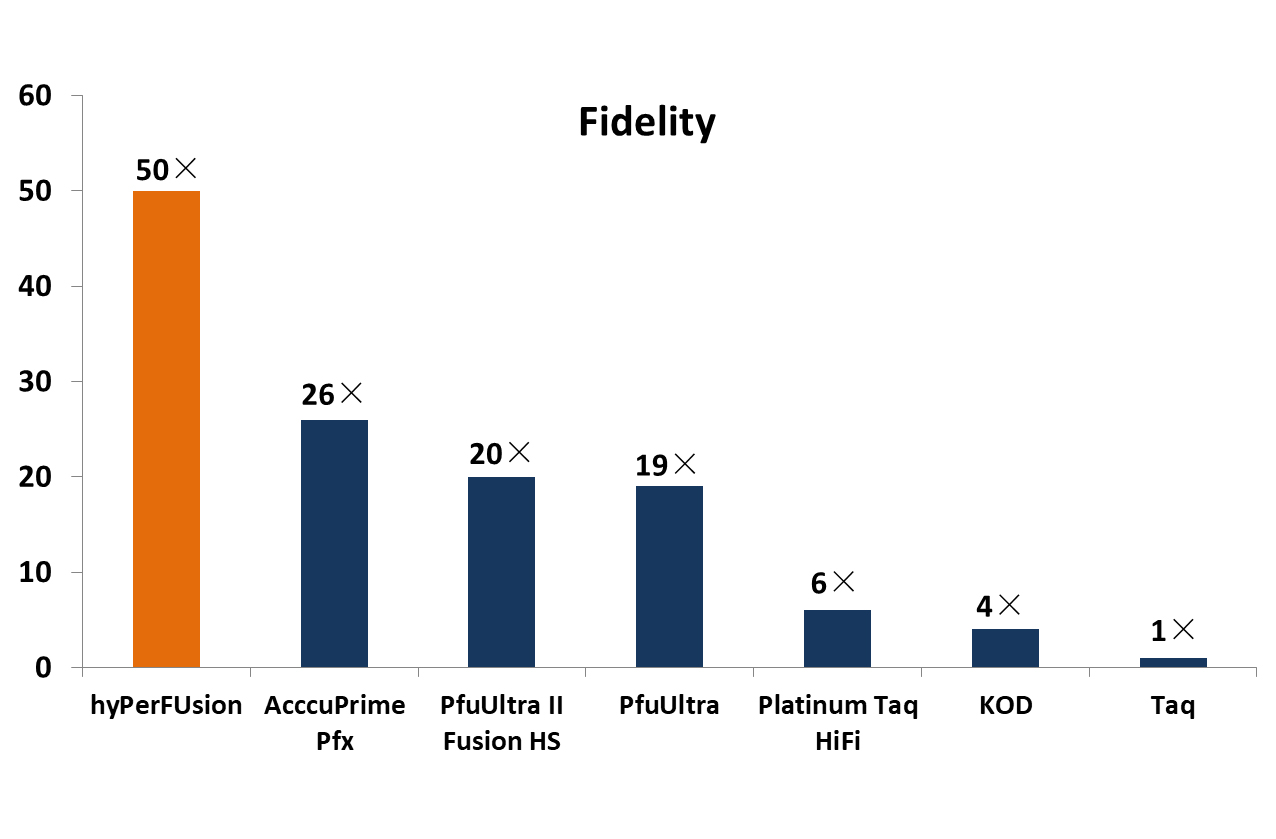
Preliminary remarks Expression of the transcription factor aryl hydrocarbon receptor (AHR) and the AHR-repressor (AHRR) are both strikingly high in the CGP41251 of barrier organs skin and gut [1,2]. It is generally assumed that this reflects their role in linking environmental factors to an adap
-
In vivo CA mediate hypoxic nutritional and neurologic stress
2024-04-07
In vivo CA mediate hypoxic, nutritional, and neurologic stress responses. Stimulation of ADRα2A by these hormones to reduce β-cell metabolism has an obvious role in suppressing insulin secretion (Arun, 2004). Since β-cell metabolism and insulin secretion are linked, mechanisms that inhibit metabolis
-
Role of APPL in endosomal signaling pathways Endosomes consi
2024-04-07
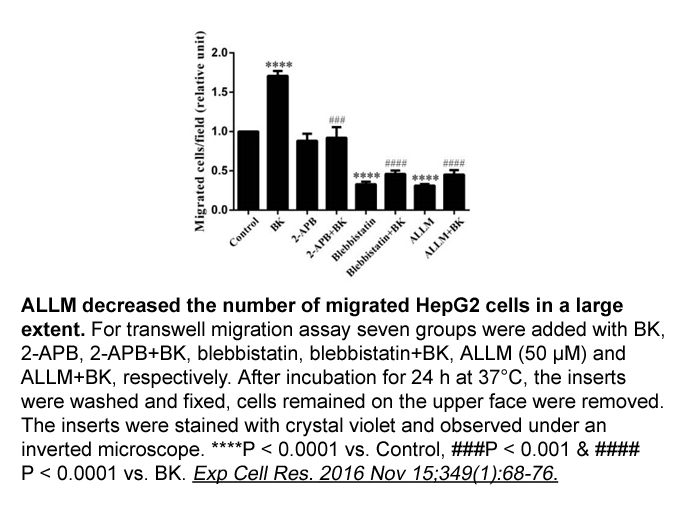
Role of APPL in endosomal signaling pathways Endosomes consist of distinct membrane subdomains within individual organelles and assist in the translation of extracellular stimuli via cytoplasmic transduction cascades to the nucleus [3], [74]. Endosomal abnormalities are associated with the pathogen
-
Moreover an increase of extracellular calcium
2024-04-07
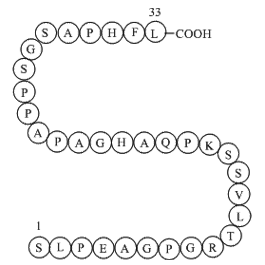
Moreover, an increase of extracellular calcium stimulates BMP-2 expression of pulp DASA-58 via L-type calcium channel and ERK signaling, which can be attenuated by PD98059 and nifedipine . Dental pulp cells expressed little calcium-sensing receptors . immunohistochemistry staining also shows the s
-
zcl br Materials and methods br Results br Discussion
2024-04-07
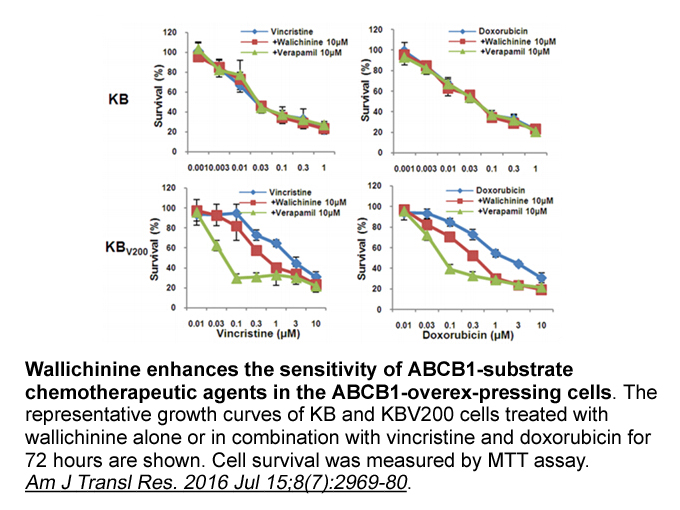
Materials and methods Results Discussion In this study, we observed that PACAP2 immunoreactivity is mainly distributed in the telencephalon, hippocampus, and cerebellum of the zebrafish brain. This distribution pattern is similar to that reported in a previous study in which PACAP immunorea
-
In recent years there have been further significant developm
2024-04-07
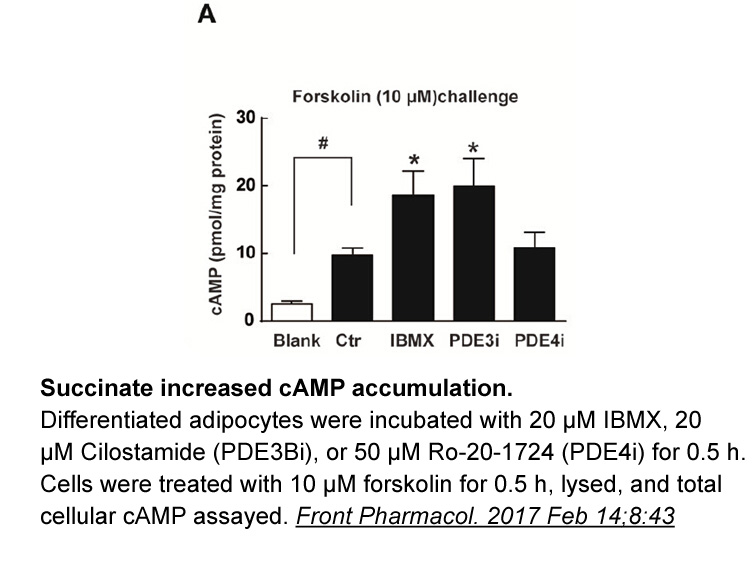
In recent years, there have been further significant developments that enhance an understanding of the role of adenosine in nociception. Thus, novel methods of recruiting adenosine A1Rs have been developed, and the role of adenosine A2A- and A3Rs in nociception has been further elaborated. Furthermo
-
Finasteride was the first steroidal reductase
2024-04-03
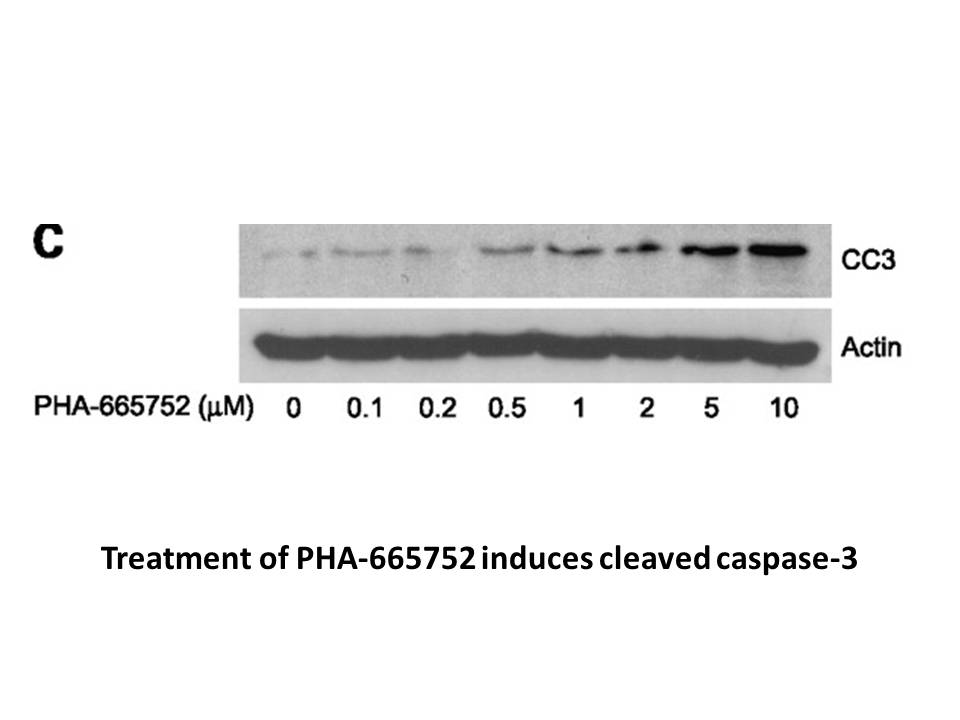
Finasteride (13) was the first steroidal 5α-reductase inhibitor approved by the US Food and Drug Administration (FDA) in 1992 for treatment of BPH. In fact, long term clinical studies with this drug demonstrated a sustained reduction of the prostatic specific antigen and an overall improvement in BH
-
This suggestion was confirmed by immunohistochemical studies
2024-04-03
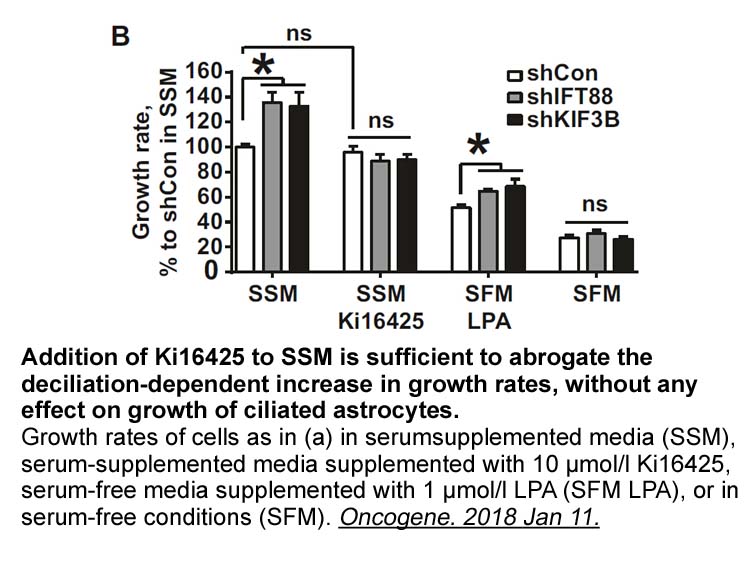
This suggestion was confirmed by immunohistochemical studies in which the immunoreactivity of the enzyme was actually higher at the earlier rather than at the advanced stages of the disease. Importantly, a later study showed that the biochemical signature of 12/15LO enzymatic activation (i.e., 12-H
8164 records 211/545 page Previous Next First page 上5页 211212213214215 下5页 Last page