Archives
- 2026-10
- 2026-09
- 2026-08
- 2026-07
- 2026-06
- 2026-05
- 2026-04
- 2026-03
- 2026-02
- 2026-01
- 2025-12
- 2025-11
- 2025-10
- 2025-09
- 2025-03
- 2025-02
- 2025-01
- 2024-12
- 2024-11
- 2024-10
- 2024-09
- 2024-08
- 2024-07
- 2024-06
- 2024-05
- 2024-04
- 2024-03
- 2024-02
- 2024-01
- 2023-12
- 2023-11
- 2023-10
- 2023-09
- 2023-08
- 2023-06
- 2023-05
- 2023-04
- 2023-03
- 2023-02
- 2023-01
- 2022-12
- 2022-11
- 2022-10
- 2022-09
- 2022-08
- 2022-07
- 2022-06
- 2022-05
- 2022-04
- 2022-03
- 2022-02
- 2022-01
-
Taken together the results reveal a
2024-05-14

Taken together, the results reveal a complex feedback and feedforward signaling network between the tryptophan metabolic enzymes IDO1/TDO2, the KP metabolite KYN, and the ligand-activated transcription factor AhR (Figure 2). Cancer GSK2334470 highjack this signaling circuitry to deregulate immunolog
-
The putative physiological meaning of epinephrine related he
2024-05-14
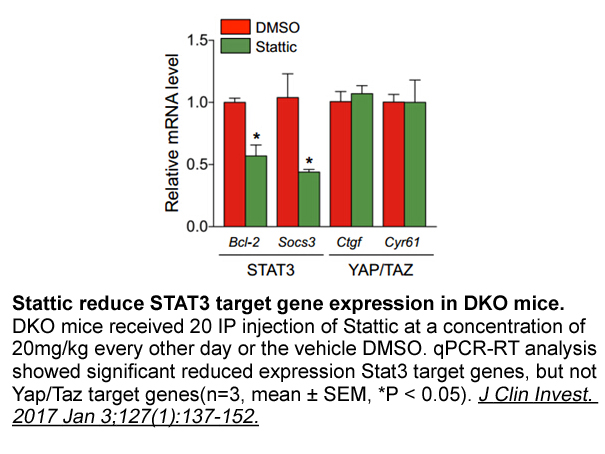
The putative physiological meaning of epinephrine-related hepatic drug transporter regulation remains to be established. It is nevertheless noteworthy that the catecholamine rather decreases expression of sinusoidal SLC transporters like NTCP, OAT2, OAT7, OCT1, OATP1B1 and OATP2B1 whereas those of c
-
Olanzapine br Introduction Nausea and vomiting are among the
2024-05-14

Introduction Nausea and vomiting are among the most distressing side effects associated with chemotherapy in cancer patients (Billio et al., 2010). Severe emesis can negatively affect a patient's nutritional state, ability to work and motivation, which can, in turn, interfere with the clinical co
-
Z-WEHD-FMK ADA catalyzes the deamination of adenosine and
2024-05-14
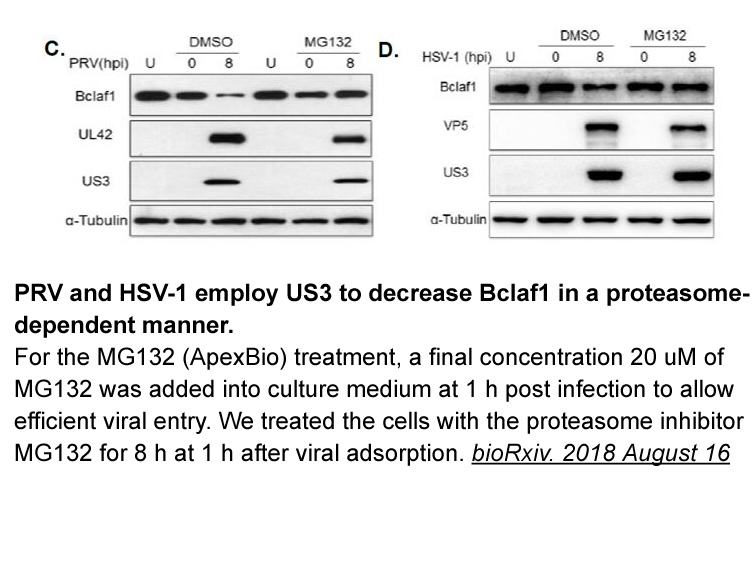
ADA catalyzes the deamination of adenosine and deoxyadenosine into their respective inosine nucleoside (Cristalli et al., 2001). This conversion is an initial step in a series of reactions responsible for lymphocyte proliferation and differentiation. Moreover, ADA is considered an indicator of cellu
-
br Results and discussion The morphology and
2024-05-14

Results and discussion The morphology and structure of BIBR 1532 samples were observed using an SEM, as shown in Fig. 1. The length and thickness of the actin filaments were regulated with ABPs to mimic the various actins observed in cells. We prepared three types of F-actin with or without gels
-
During years research efforts at Los Alamos National
2024-05-14
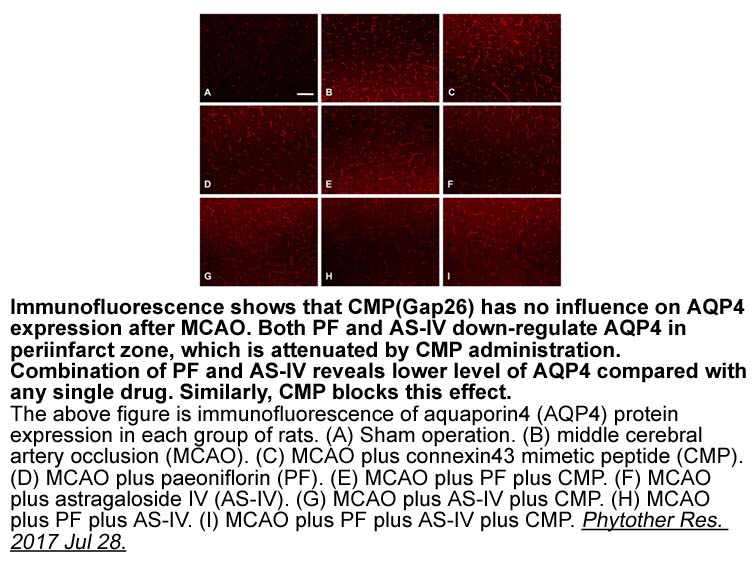
During 2002–2004years research efforts at Los Alamos National Laboratory (LANL) focused on constructing a quantum computer based on regular arrays build from neutral radical molecules possessing one single unpaired betaxolol receptor spin. The idea was built on the ability to manipulate individual e
-
The srd a isoforms showed unique expression
2024-05-14
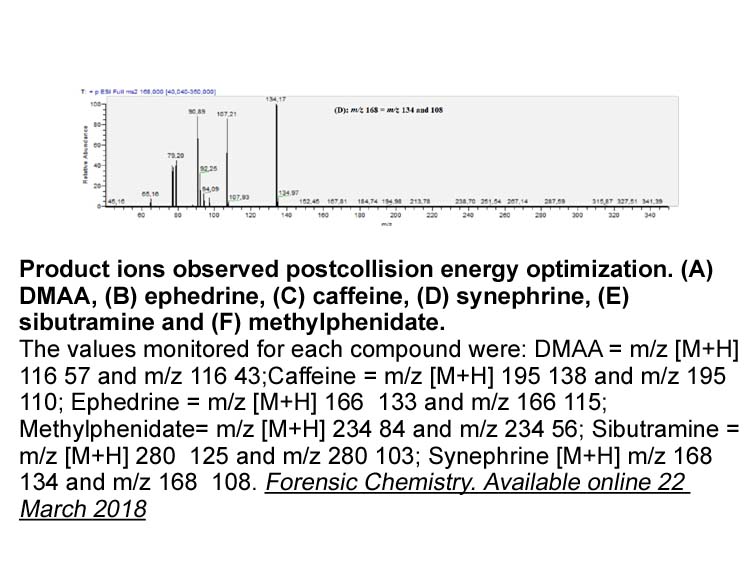
The srd5a isoforms showed unique expression profiles in early FHM development (Fig. 2). Similar to amphibian embryos, there was a high abundance of both srd5a1 and srd5a3 at 1dpf in FHMs, suggesting that mRNA for these enzymes may be maternally deposited and that these enzymes may play a key role in
-
exemplifies three of the compounds
2024-05-14

exemplifies three of the compounds investigated in the selection for a candidate drug (CD). Our first criteria was an IC neostigmine mechanism of action as such did not show any genotoxicity in the SOS/umu assay, but this does not say anything about any possible genotoxicity of its metabolites or
-
To evaluate the ability of both sets
2024-05-14

To evaluate the ability of both sets of compounds to inhibit the activity of 15-LOX an initial screen was performed, whose results are shown in . The comparison of inhibition values would seem to indicate that, in the HYD series, an electron donor group at the position increases and an electron at
-
Exposure to cisplatin with ATR inhibitor resulted
2024-05-14
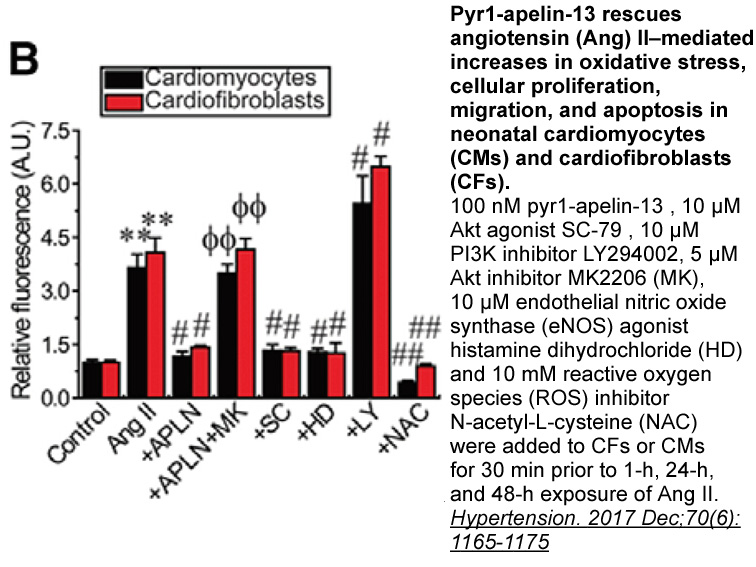
Exposure to cisplatin with ATR inhibitor resulted in an increase in cisplatin-DNA adducts, especially in cells with ATM deficiency. This finding indicates that suppressing ATR-Chk1 signaling with VE-822 enhances cisplatin activity by enabling the drug to form DNA adducts. Therefore, VE-822 may incre
-
br ASK in Huntington s disease
2024-05-14
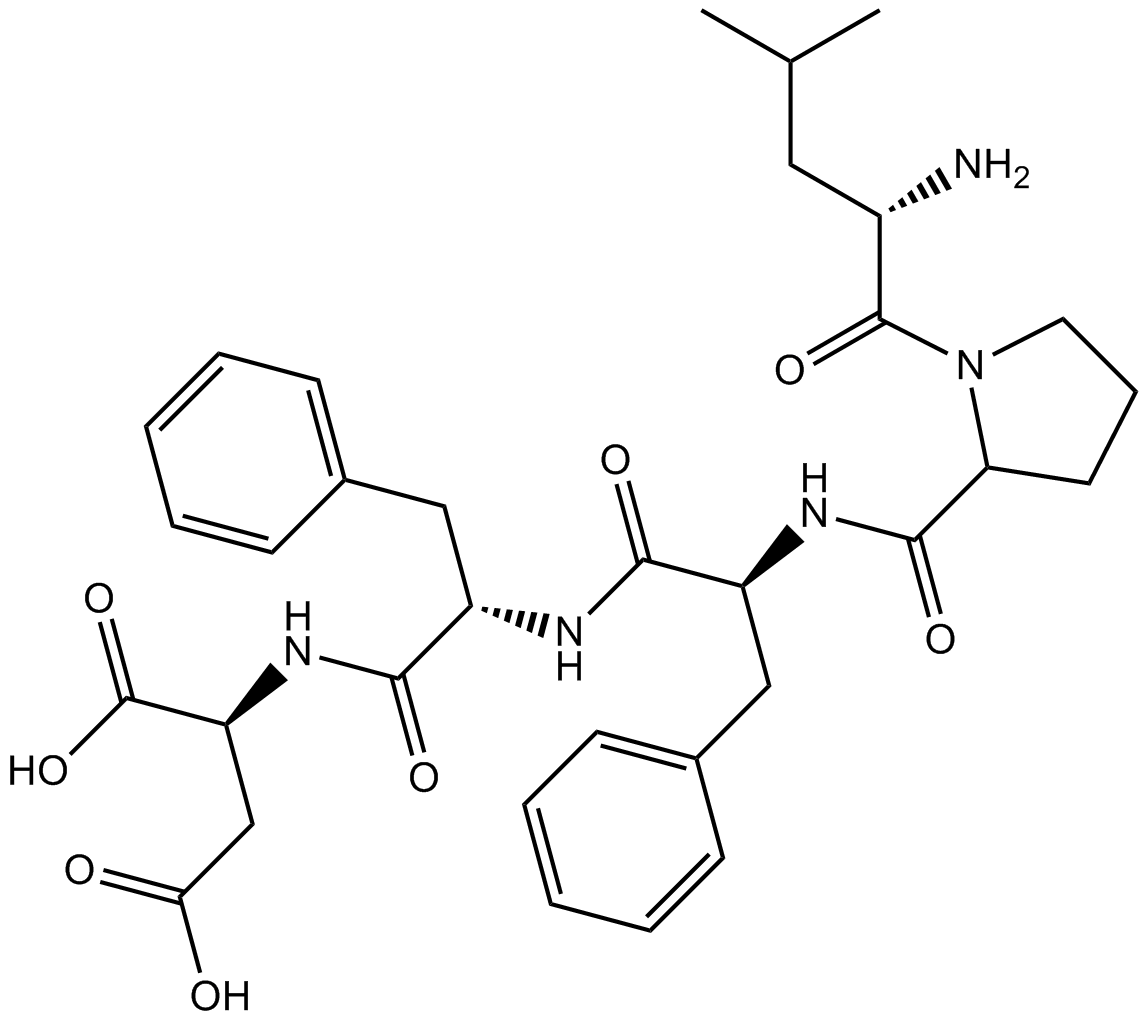
ASK1 in Huntington's disease and other polyglutamine diseases The polyglutamine (polyQ) diseases are a group of inherited neurodegenerative disorders caused by the expansion of cytosine-adenine-guanine (CAG) trinucleotide repeats in the coding regions of specific genes, leading to the production
-
Songbirds are outstanding models in the study of vocal
2024-05-14
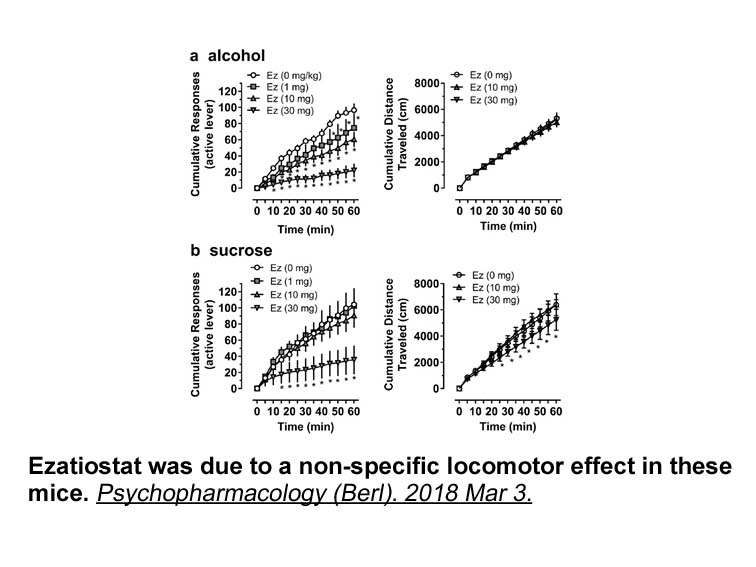
Songbirds are outstanding models in the study of vocal communication (Maney and Pinaud, 2011). Following the pioneering studies of William H. Thorpe and Peter Marler on the development of song in chaffinches (Fringilla coelebs) and white-crowned sparrows (Zonotrichia leucophrys) (Marler, 2004; Thorp
-
br Experimental and simulation section
2024-05-14
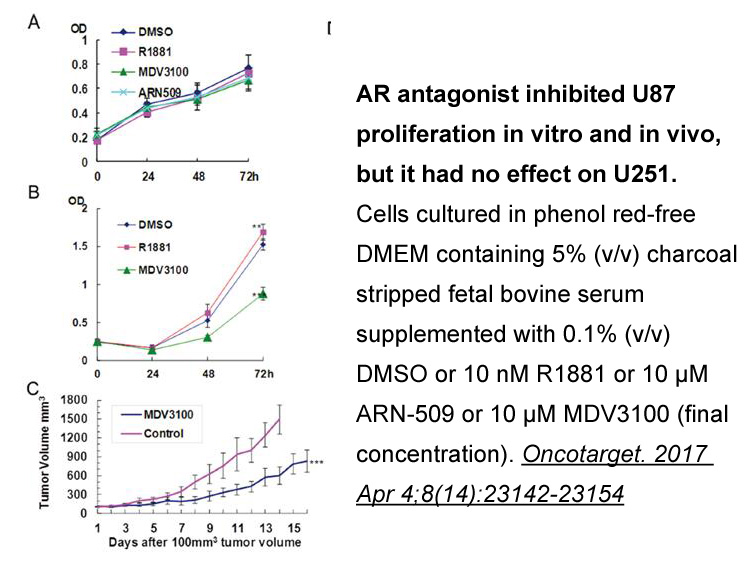
Experimental and simulation section Acknowledgments Financial support for this work was provided by the National Natural Science Foundation of China (No. 81101688). We would like to thank NC State University High Performance Computing Center for providing us computing resources, and Dr. Lihui
-
Phenolic compounds show reciprocal relationship
2024-05-14

Phenolic compounds show reciprocal relationship with colonic microflora. Phenolic compounds are able to improve colonic health and modulate microbiota diversity with prebiotic and antimicrobial functions, while colonic bacterial enzymes catalyze deconjugation, dehydroxylation, and convert phenolic c
-
In Antirrhinum floral organ identity genes
2024-05-14
In Antirrhinum, floral organ identity genes include DEFICIENS (DEF) (Sommer et al., 1990) and GLOBOSA (GLO) (Trobner et al., 1992) required for petal and stamen identity (B-function), PLENA (P) required for stamen and carpel formation (C-function) (Bradley et al., 1993) and SQUAMOSA (SQUA) which is
8164 records 189/545 page Previous Next First page 上5页 186187188189190 下5页 Last page