Archives
- 2026-10
- 2026-09
- 2026-08
- 2026-07
- 2026-06
- 2026-05
- 2026-04
- 2026-03
- 2026-02
- 2026-01
- 2025-12
- 2025-11
- 2025-10
- 2025-09
- 2025-03
- 2025-02
- 2025-01
- 2024-12
- 2024-11
- 2024-10
- 2024-09
- 2024-08
- 2024-07
- 2024-06
- 2024-05
- 2024-04
- 2024-03
- 2024-02
- 2024-01
- 2023-12
- 2023-11
- 2023-10
- 2023-09
- 2023-08
- 2023-06
- 2023-05
- 2023-04
- 2023-03
- 2023-02
- 2023-01
- 2022-12
- 2022-11
- 2022-10
- 2022-09
- 2022-08
- 2022-07
- 2022-06
- 2022-05
- 2022-04
- 2022-03
- 2022-02
- 2022-01
-
br Materials and methods br Results br Discussion
2024-07-31
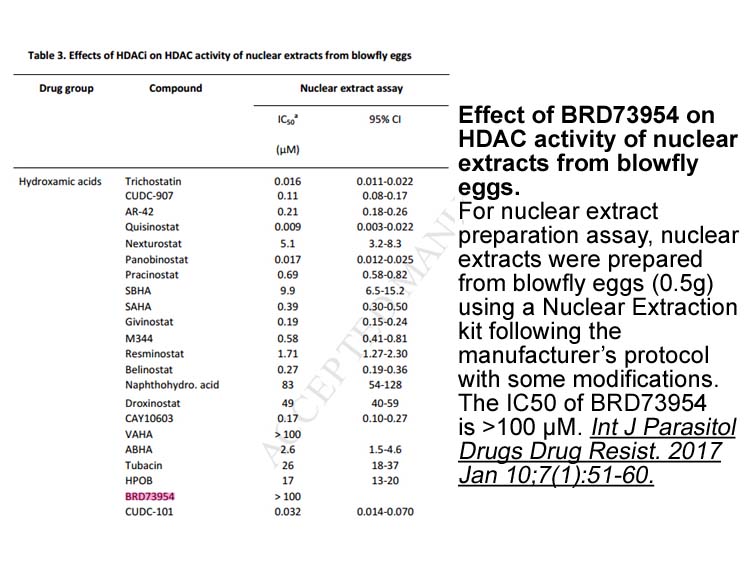
Materials and methods Results Discussion Human MutL-family complexes (MutLα: MLH1-PMS2, MutLβ:MLH1-PMS1, MutLγ:MLH1-MLH3) exhibit multiple molecular activities including DNA binding, DNA cleavage, ATP binding and hydrolysis [43]. In our recent study, we have uncovered an important function
-
Chromatin proteins play important roles in gene expression
2024-07-31
Chromatin proteins play important roles in gene expression and DNA repair. The importance of chromatin composition on gene expression is exemplified by X-inactivation, where one of the two X chromosomes in female mammalian dcp cas is transcriptionally silenced by heterochromatin , , , . In the ATR
-
A disruption of lung barrier function caused
2024-07-31

A disruption of lung barrier function caused by PM2.5 has been observed in our experiments; however the underlying mechanism has not been investigated. Zhao et al. (2018) reported that PM2.5 down-regulated the expression levels of tight junction (TJ) proteins and resulted in nasal epithelial barrier
-
br In vivo visualization of
2024-07-31
In vivo visualization of aromatase with positron emission tomography (PET) Positron emission tomography (PET) utilizes the high hexokinase inhibition photons formed during the annihilation of positrons to detect the changes in the amount and localization of injected radiopharmaceuticals in the li
-
br Materials and methods br Results and discussion br Conclu
2024-07-31
Materials and methods Results and discussion Conclusion Funding This work was supported by the Canadian Institute of Health Research (CIHR) [grant number FDN-148413] to PS, the National Science and Engineering Research Council of Canada (NSERC) [grant number CRD-399680] to ÉM, and the FR
-
Glycosylphosphatidylinositol GPI cell wall anchor synthesis
2024-07-31

Glycosylphosphatidylinositol (GPI) Isorhamnetin anchor synthesis pathway is another promising antifungal target. Novel inhibitors of Gwt1 and Mcd4, two enzymes in the GPI anchor pathway were identified by the chemical-genomics-based screening platform CaFT (Candida albicans fitness test) [89]. Scree
-
br Materials and methods br Conflict of interest
2024-07-31
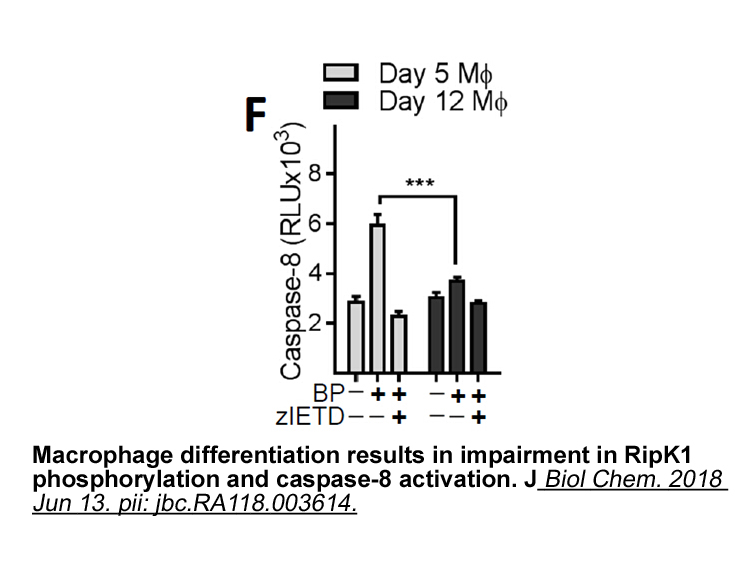
Materials and methods Conflict of interest Acknowledgments We thank Christine Heiner (Department of Surgery, University of Pittsburgh) for her critical reading of the manuscript. This work was supported by grants from the US National Institutes of Health (R01GM115366, R01CA160417, and R01CA
-
Taken together the results reveal a complex feedback and fee
2024-07-30
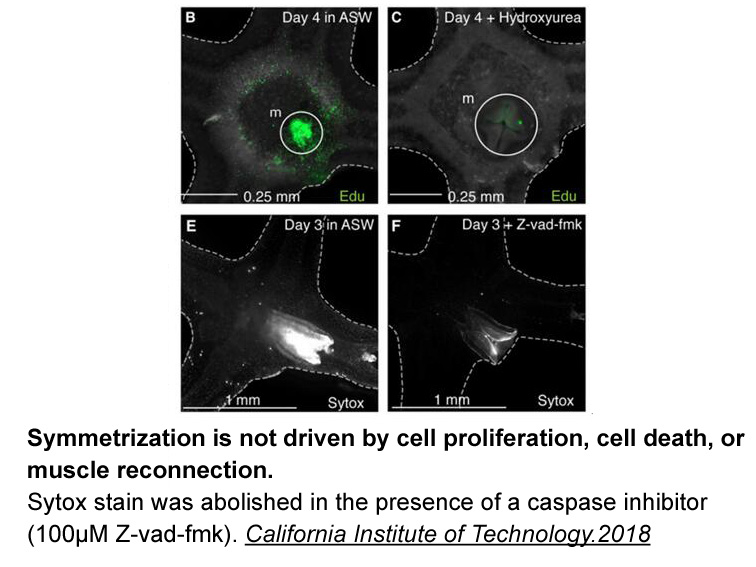
Taken together, the results reveal a complex feedback and feedforward signaling network between the tryptophan metabolic enzymes IDO1/TDO2, the KP metabolite KYN, and the ligand-activated transcription factor AhR (Figure 2). Cancer nuclear receptors highjack this signaling circuitry to deregulate im
-
Regenerative mechanisms often require reemployment of pathwa
2024-07-30
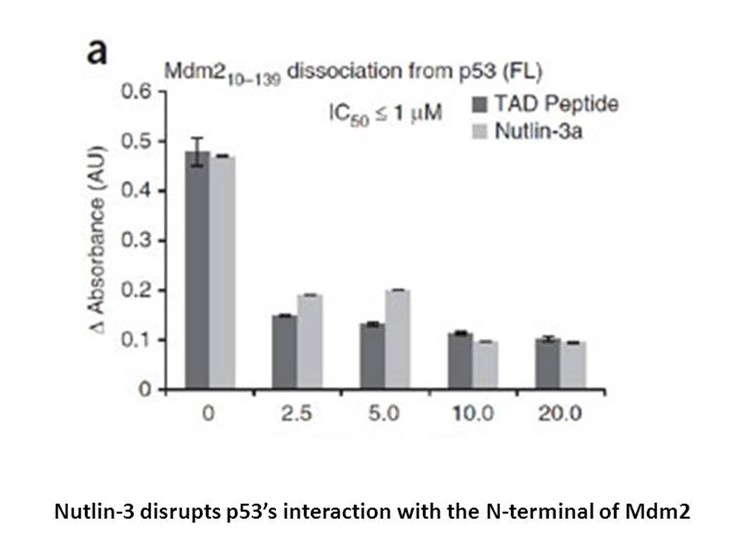
Regenerative mechanisms often require reemployment of pathways used during development in the embryonic and postnatal periods (Waschek, 2002). PACAP has diverse neurodevelopmental and growth factor-like effects (Botia et al., 2007; Vaudry et al., 2009; Waschek, 2002; Watanabe et al., 2016) and it is
-
Taken together BRP represents a novel chemotype of LT biosyn
2024-07-30
Taken together, BRP-187 represents a novel chemotype of LT biosynthesis inhibitors with outstanding potency in human PMNL and monocytes activated under pathophysiological relevant conditions and with effectiveness in vivo. Using the PLA that visualizes the in situ interaction between 5-LO and FLAP i
-
Genomic DNA Isolation Kit A previous study reported that the
2024-07-30

A previous study reported that the serotonergic mechanism was involved in the psychological stress-induced alteration in synaptic plasticity in the rat hippocampal CA1 field (Matsumoto et al., 2004). Sumitaka Inoue et al. (Inoue et al., 2014) reported that pretreatment with a 5-HT1A receptor partial
-
br Acknowledgments br Introduction Cancer is
2024-07-30

Acknowledgments Introduction Cancer is the leading cause of mortality in the United States for those between the ages of 40–79 years, surpassing heart diseases by more than 100,000 deaths [1]. The cause of most cancer subtypes remains idiopathic and may arise out of ‘bad luck’ among otherwise
-
br Introduction Human esophageal carcinoma is one of
2024-07-30
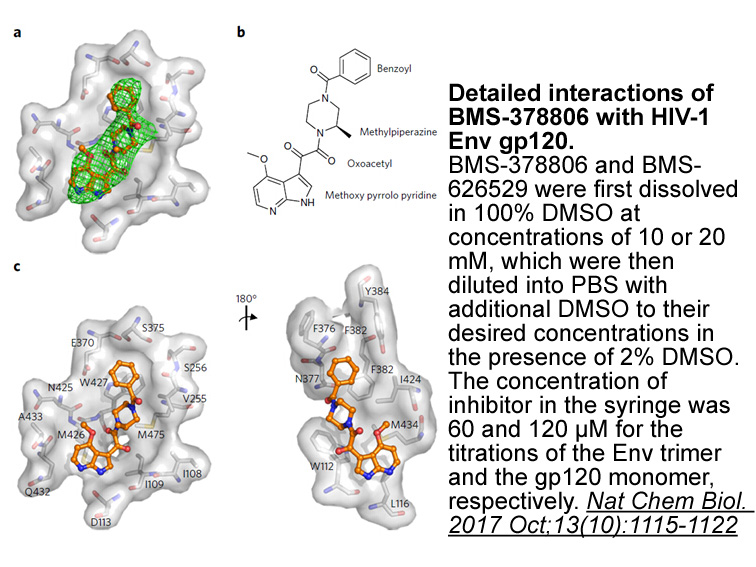
Introduction Human esophageal carcinoma is one of the most frequently diagnosed cancers, ranked as the eighth leading causes of cancer-related mortality worldwide. Esophagus squamous cell carcinoma (ESCC) is the most common histological type of esophageal carcinomas, especially with a higher inci
-
These results show that quercetin
2024-07-30
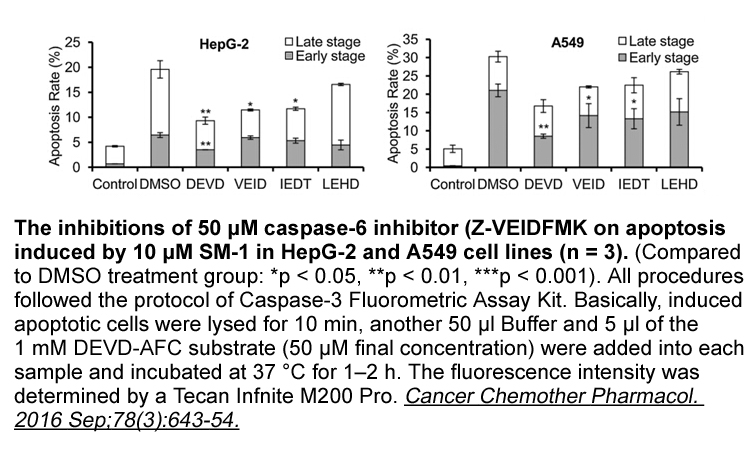
These results show that quercetin can restore the enzyme activity of the cholinergic system nonneural induced by demyelination. The AChE activity has been used as an indicator of human cell aging with lowered levels commonly associated with older human red blood L002 [51]. The enzymes AChE and BuCh
-
Another interesting aspect of neutralizing
2024-07-30
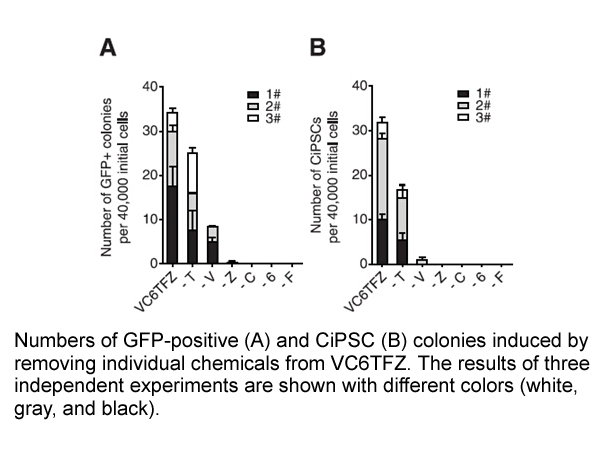
Another interesting aspect of neutralizing AP-1 is the inhibition of interactions between AP-1 and Smad proteins, which synergize to activate the TGF-β1-responsive genes involved in hypertrophic growth of the heart muscle and in the development of cardiac fibrosis. Through preventing AP-1 activation
8163 records 145/545 page Previous Next First page 上5页 141142143144145 下5页 Last page