Archives
- 2026-09
- 2026-08
- 2026-07
- 2026-06
- 2026-05
- 2026-04
- 2026-03
- 2026-02
- 2026-01
- 2025-12
- 2025-11
- 2025-10
- 2025-09
- 2025-03
- 2025-02
- 2025-01
- 2024-12
- 2024-11
- 2024-10
- 2024-09
- 2024-08
- 2024-07
- 2024-06
- 2024-05
- 2024-04
- 2024-03
- 2024-02
- 2024-01
- 2023-12
- 2023-11
- 2023-10
- 2023-09
- 2023-08
- 2023-06
- 2023-05
- 2023-04
- 2023-03
- 2023-02
- 2023-01
- 2022-12
- 2022-11
- 2022-10
- 2022-09
- 2022-08
- 2022-07
- 2022-06
- 2022-05
- 2022-04
- 2022-03
- 2022-02
- 2022-01
-
Immunohistochemistry using anti FFAR antibodies revealed
2022-01-03
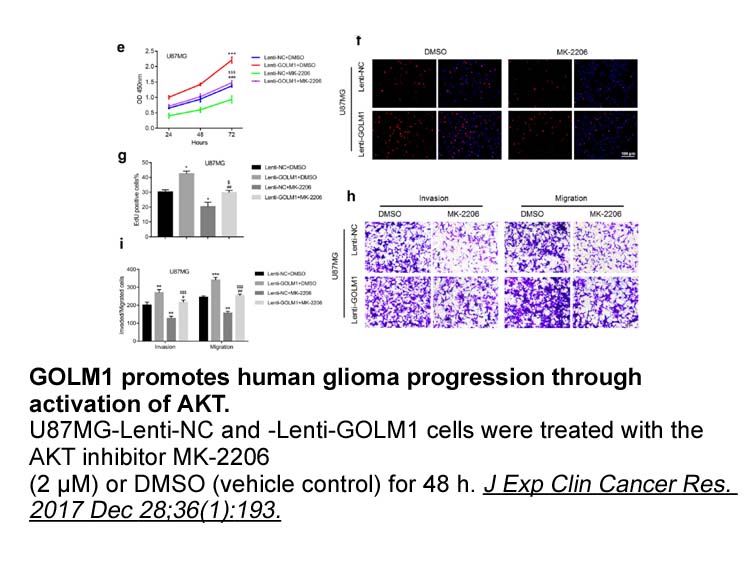
Immunohistochemistry using anti-FFAR1 antibodies revealed immunoreactivity for FFAR1 in association with the cell membrane of the hepatocytes (Figure 2). However, the anti-FFAR2 antibody was not suitable for immunohistochemistry under the tested conditions (data not shown). Fatty liver is an import
-
br Discussion In response to an increase
2022-01-03
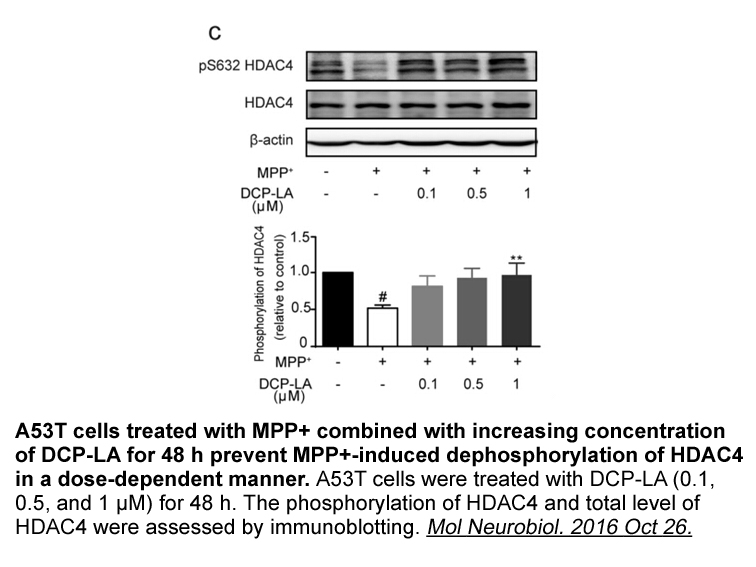
Discussion In response to an increase in glucose or DHA concentration, FBPase showed nuclear import and recruitment in a peripheral cell compartment. Interestingly, FBPase and GS were co-recruited to the periphery of the cells. This is precisely the site where glycogen is initially synthesized an
-
MK cyclobutylpiperidin yl oxyphenyl methyl
2022-01-03
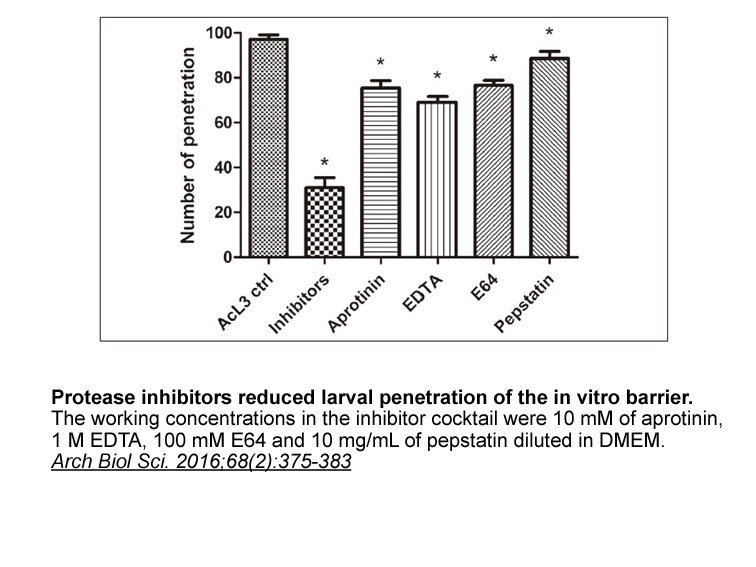
MK-3134 (3-[4-(1-cyclobutylpiperidin-4-yl)oxyphenyl]-2-methyl-5-(trifluoromethyl)quinazolin-4-one) was synthesized by Merck, as the structurally constrained analogue of MK-0249 (Nagase et al., 2008). This H3R inverse agonist has MW 457.49, seven HBA, and MLogP 4.58, with one violation in terms of dr
8103 records 541/541 page Previous First page 上5页 541