Archives
- 2018-07
- 2018-10
- 2018-11
- 2019-04
- 2019-05
- 2019-06
- 2019-07
- 2019-08
- 2019-09
- 2019-10
- 2019-11
- 2019-12
- 2020-01
- 2020-02
- 2020-03
- 2020-04
- 2020-05
- 2020-06
- 2020-07
- 2020-08
- 2020-09
- 2020-10
- 2020-11
- 2020-12
- 2021-01
- 2021-02
- 2021-03
- 2021-04
- 2021-05
- 2021-06
- 2021-07
- 2021-08
- 2021-09
- 2021-10
- 2021-11
- 2021-12
- 2022-01
- 2022-02
- 2022-03
- 2022-04
- 2022-05
- 2022-06
- 2022-07
- 2022-08
- 2022-09
- 2022-10
- 2022-11
- 2022-12
- 2023-01
- 2023-02
- 2023-03
- 2023-04
- 2023-05
- 2023-06
- 2023-08
- 2023-09
- 2023-10
- 2023-11
- 2023-12
- 2024-01
- 2024-02
- 2024-03
- 2024-04
-
In conclusion we identify in this report the
2024-04-27
In conclusion, we identify in this report the molecular nature of the 12- and 15-lipoxygenases in M. mulatta and P. pygmaeus and also that the expression of the rhesus enzyme in lung epithelial cells is regulated by interleukin-4. The switch from a mainly 12-LO enzyme to a mainly 15-LO enzyme during
-
Benzydamine HCl br Conclusions br Introduction During numero
2024-04-27
Conclusions Introduction During numerous physiological processes, aldehydes are generated from a variety of endogenous and exogenous precursors including amino acids, carbohydrates, and lipids [1]. Most aldehydes are highly reactive and cytotoxic due to the strong electrophilic nature of the t
-
br Discussion With recently improved understanding of the
2024-04-27

Discussion With recently improved understanding of the role of βARK1 in the progression of HF and as a potential therapeutic target in HF, we explored the relationship between plasma βARK1, as a marker of chronic sympathetic overactivation, and physical symptoms in HF. Our main findings were 1) e
-
Silk which is a mixture of mainly
2024-04-26

Silk, which is a mixture of mainly SF and sericin, has an extensive history in clinical application as a suture material. Unwanted immune reactions to silk sutures observed early on in their application were assigned to the presence of sericin. However, in vitro and in vivo evaluations of pure SF fi
-
The ARHL locus ahl that contributes to the
2024-04-26
The ARHL locus (ahl) that contributes to the hearing loss in the C57BL/6J mouse has been mapped to chromosome 10 (Erway et al., 1993, Johnson et al., 1997). It has been shown that strains susceptible to early onset ARHL carry a specific mutation in the cadherin 23 gene (Cdh23), which encodes a compo
-
Our results using RT PCR confirm earlier findings
2024-04-26

Our results using RT-PCR confirm earlier findings (Wilisch et al., 1999, Bruno et al., 2004) including the presence of both the P3A+ and P3A− isoforms of the α-subunit (Beeson et al., 1990). The lack of detection of the ε-subunit mRNAs in some thymomas, and lack of α-, β-, δ- and γ-subunit mRNAs by
-
As a continuation of our search for
2024-04-26
As a continuation of our search for a selective AChE radioligand bearing a meta-F substituted N-benzyl moiety, we designed and synthesized a novel meta-F-CP-118,954 analog along with a meta-18F-labeled form via diaryliodonium salt-based precursor (Fig. 1). For comparative purposes, we incorporate th
-
Earlier studies showed that exposure
2024-04-26
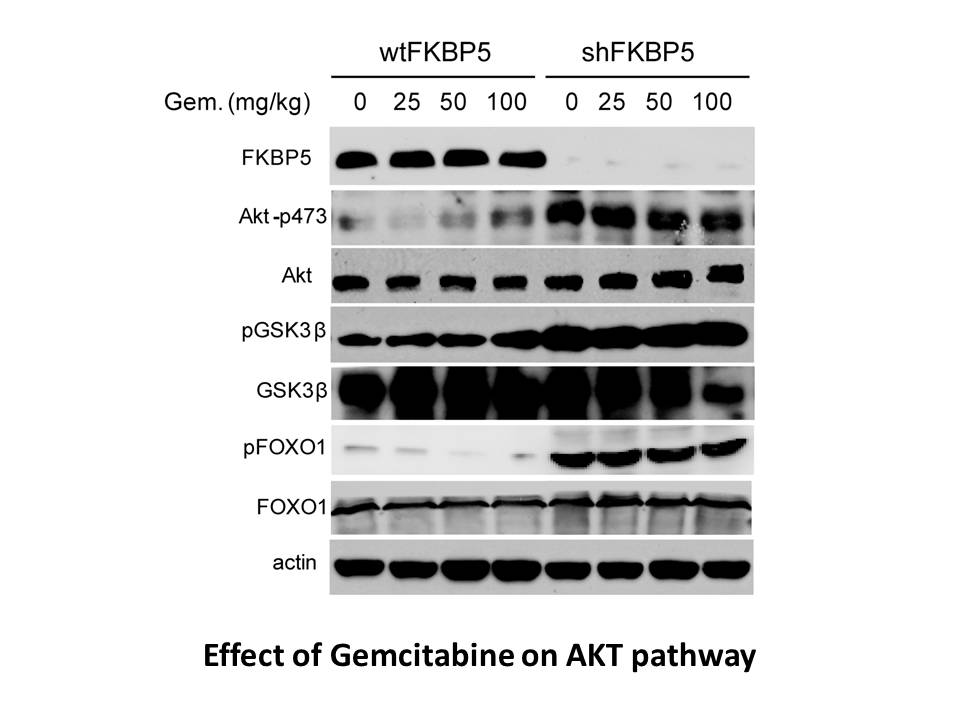
Earlier studies showed that exposure of cells to IR caused ATM-dependent phosphorylation of 53BP1, as judged by electrophoretic mobility shift [24], [25], [26]. To date, the only known in vivo 53BP1 phosphorylation site(s) are Ser25 and possibly Ser29 [27]. In the course of our studies, we noticed t
-
In this review we will present
2024-04-26
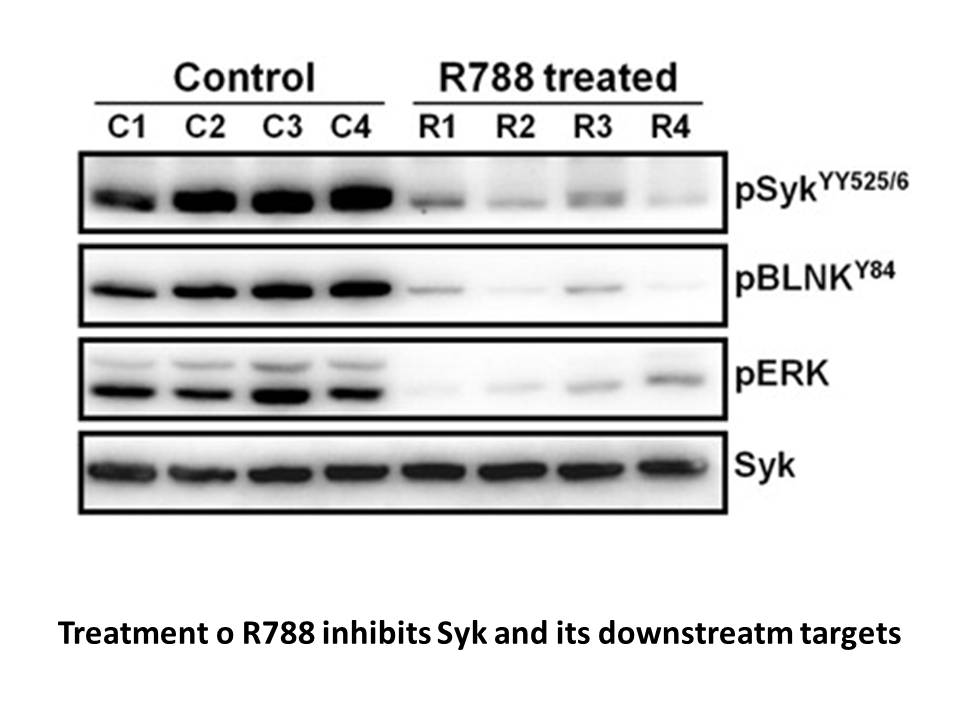
In this review, we will present the traditional and actual strategies to study orphan receptors and identify their ligands. An extensive description of the orphan GPCR field has been published in 2013 by Davenport et al. [22]. Therefore, we will focus on the deorphanizations that were reported since
-
Lurasidone HCl synthesis Activated MAP kinases transform the
2024-04-26
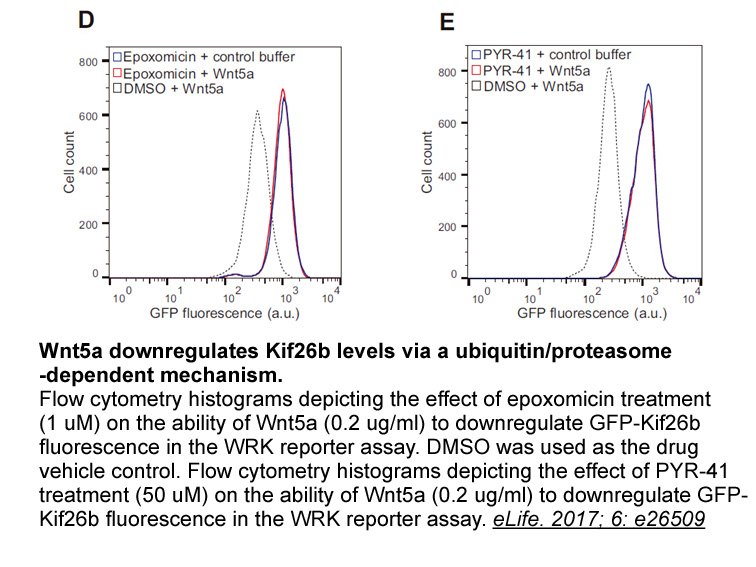
Activated MAP kinases transform the stimulus into the pathophysiological responses by phosphorylating downstream substrates, including transcription factors, cytoskeletal proteins involved in mRNA translation (Li et al., 2015). Among the numerous effectors that intervene in the TNF-α action is an ac
-
The most likely explanation for
2024-04-26
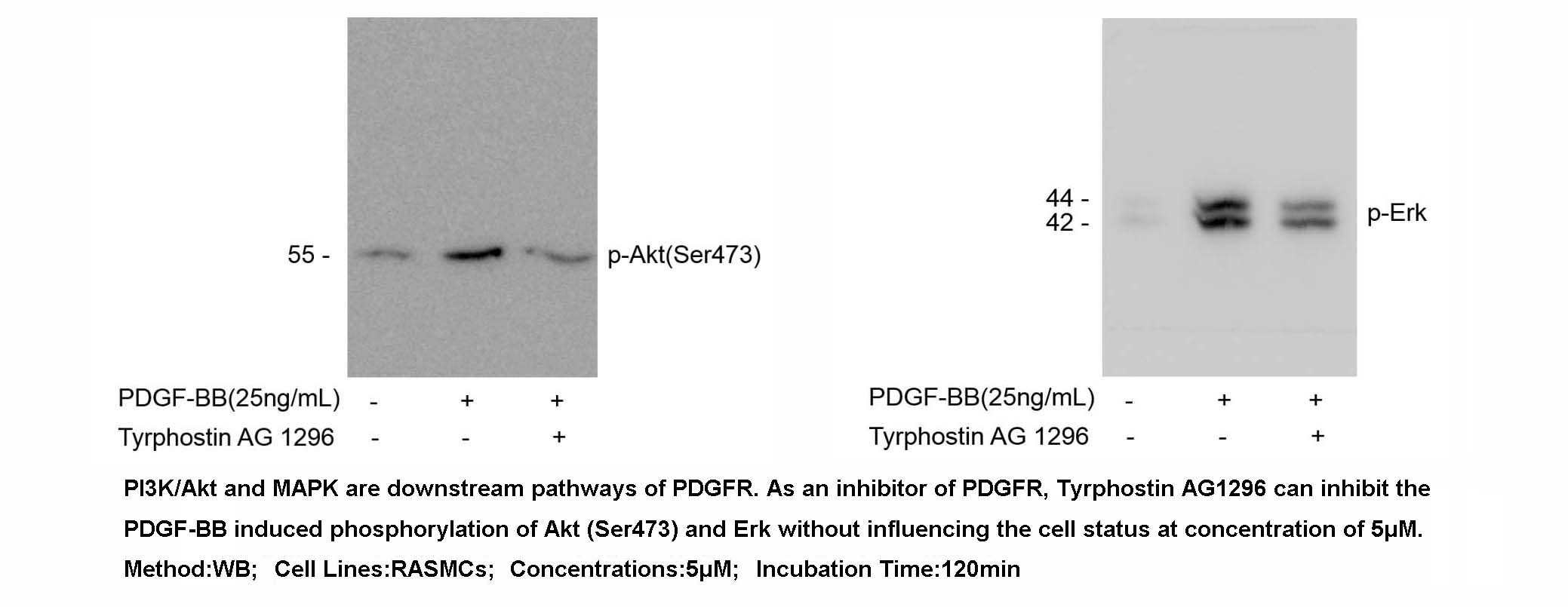
The most likely explanation for the species differences in aromatase distribution and the unique pd 0332991 distribution in humans is the unique location, size and highly elaborate organization of the human aromatase gene (e.g. Bulun et al., 2003). The human Cyp19 is a large gene located on chromos
-
lb100 In this study we first determined whether AIF in
2024-04-26
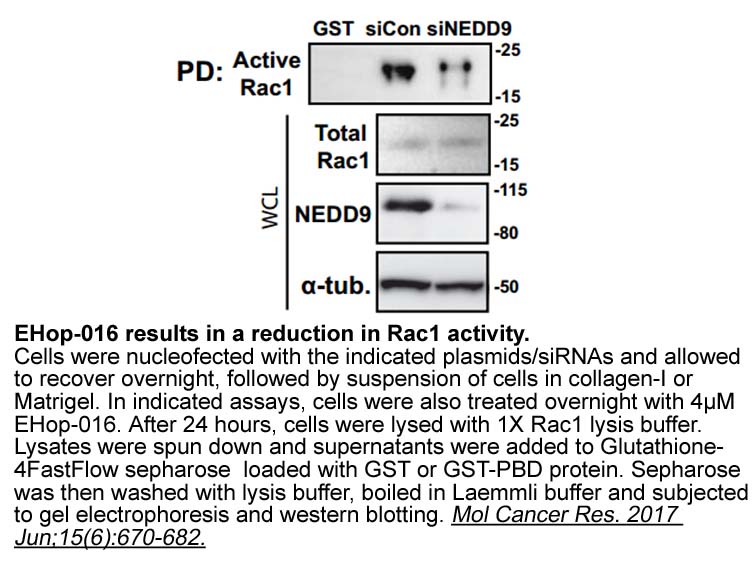
In this study, we first determined whether AIF in bovine LT muscle is expressed and the mitochondria released AIF-mediated apoptosis during postmortem aging. For apoptotic issues, the mitochondrial outer membrane is permeabilized, and AIF translocates to the cytosol and to the nucleus, where it indu
-
Bran is a byproduct of flour milling
2024-04-26
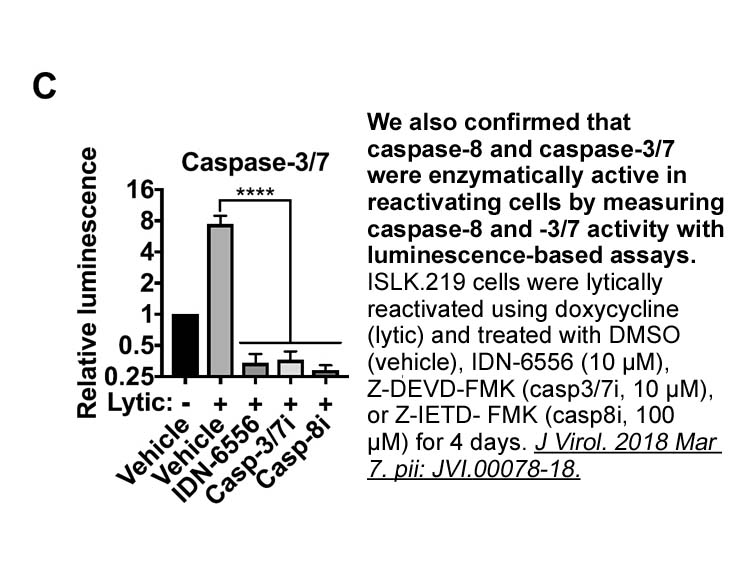
Bran is a byproduct of flour milling, typically utilized as a valuable component of animal feeds. Because of its attractive technological and health-promoting properties, it GSK 2837808A has also been increasingly used in food manufacturing as a source of dietary fiber. Indeed, with the growing inte
-
These PrPIF are detected in
2024-04-26
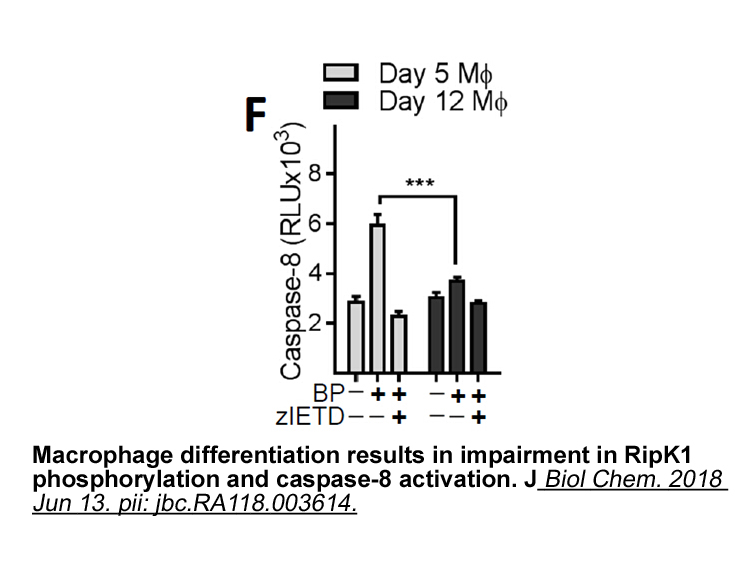
These PrPIF are detected in untreated GW3965 HCl mg extracts but are consistently enriched following proteinase K (PK) treatment. The biochemical characterization of pathologic PrP has been carried out in most hereditary PrP cerebral amyloidosis associated with PrP mutations and the biochemical PrP
-
Since the publication of the
2024-04-25
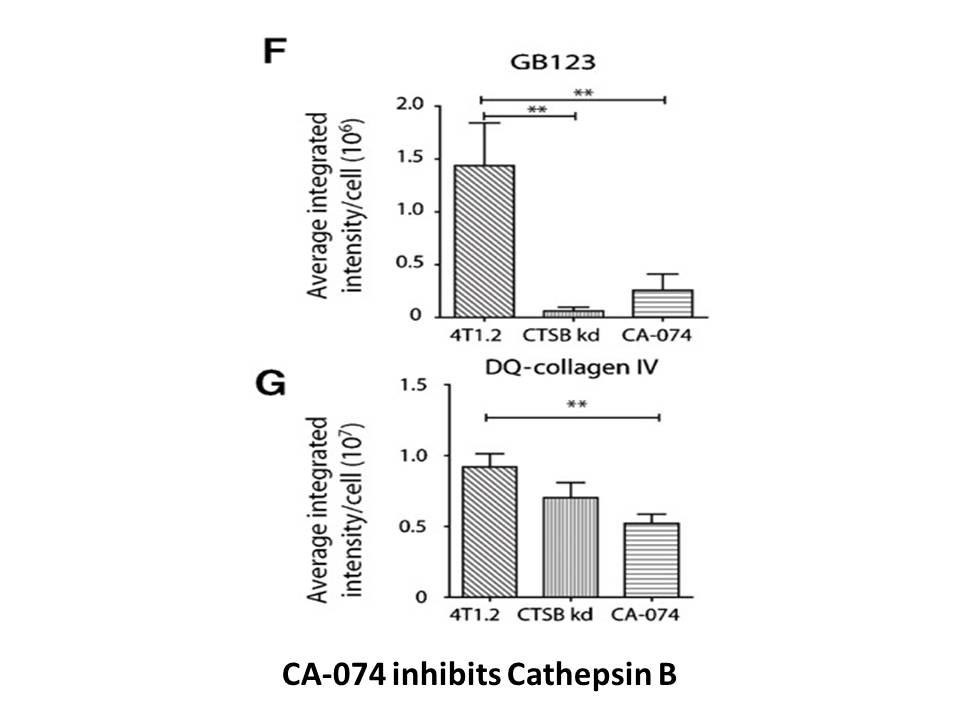
Since the publication of the 2011 guidelines, data have continued to accumulate indicating that the cognitive decline in AD occurs continuously over a long period [6–8], and that progression of biomarker measures is also a continuous process that begins before symptoms [9–14]. Thus, the disease is n